
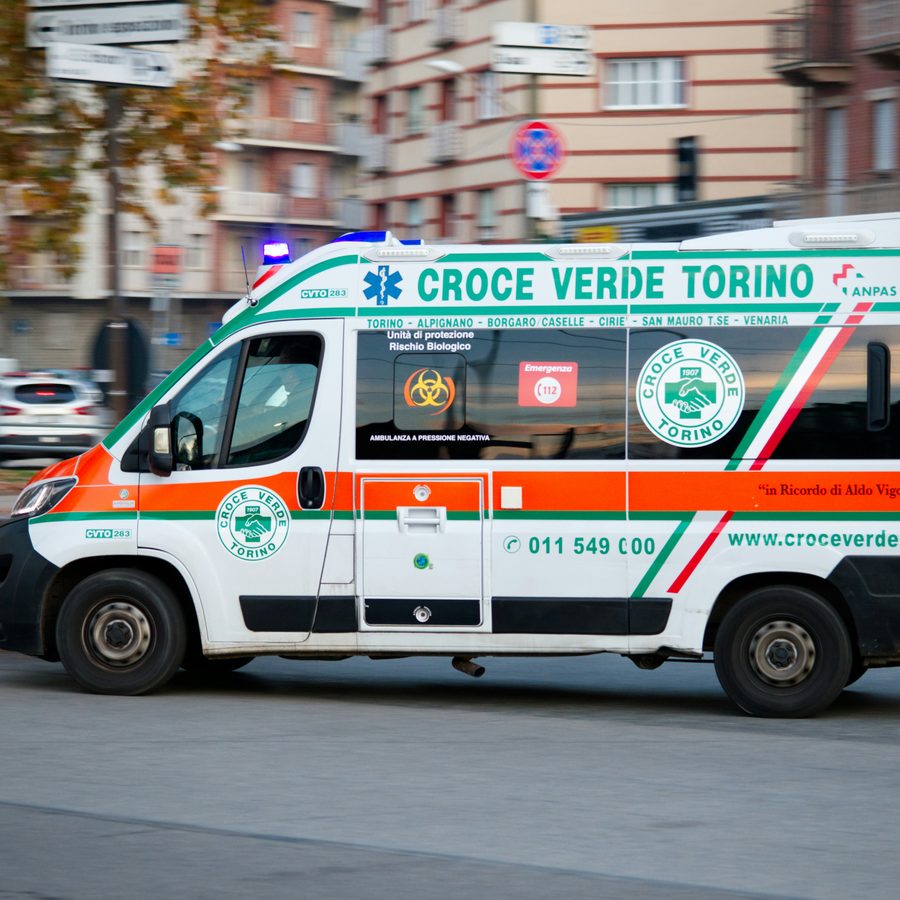
Italy's Servizio Sanitario Nazionale is universal, regionally administered, and consistently well rated. The confusion for foreigners is almost never about quality. It is about access.
Getting in
Once you have residenza, you register with the local health authority, the ASL, and receive a tessera sanitaria. At registration you choose a medico di base, your family doctor, from a list. This choice matters more than people realise: your GP is the gateway to specialists, prescriptions and referrals, and you can change them.
What it costs
- Your GP is free. Visits, referrals, prescriptions.
- Specialists and tests carry a ticket, a small co-payment, typically tens of euros, income-scaled and waived for some categories.
- Emergency care is free at the pronto soccorso, triaged by colour code. Non-urgent cases wait a long time, by design.
- Prescriptions are heavily subsidised.
The pharmacy is part of the system
The farmacia does far more than dispense. Pharmacists advise on minor conditions, take blood pressure, and will tell you plainly whether you need a doctor. For anything small, go there first. There is always a rota-duty pharmacy open at night, posted in the window.
For a minor problem in Italy, the pharmacy is the correct first stop, not the doctor and certainly not the emergency room.
Waiting lists, and where private care fits
The trade-off is real: urgent care is fast and free, non-urgent specialist appointments can take months, and it varies sharply by region — the north is generally quicker than the south. Most residents therefore use a hybrid approach, paying privately for a specialist consultation (often €80–150) to skip a queue, then returning to the public system for treatment. Private insurance is inexpensive by American standards and mostly buys speed rather than access.
Before you have residenza
EU citizens use the EHIC card. Non-EU arrivals generally need private insurance for the visa and the gap before registration. Some can pay a voluntary annual contribution to join the SSN.
The vocabulary you will need under pressure
- medico di base — family doctor
- ricetta — prescription
- ticket — the co-payment
- impegnativa — the referral your GP writes
- pronto soccorso — emergency department
- prenotare una visita — to book an appointment
- mi fa male qui — it hurts here
Medical Italian under stress is one of the specific scenarios we rehearse in relocation lessons, because it is the one situation where you cannot afford to be approximate.