
Italy has thousands of feste, most of them local, most of them religious in origin and secular in practice. These are the ones worth organising travel around.
The famous ones that deserve it
- Carnevale di Venezia, February. Masks, and enormous crowds. Beautiful, and the least intimate entry on this list.
- Il Palio di Siena, 2 July and 16 August. A bareback horse race around the Piazza del Campo lasting ninety seconds, prepared for all year by seventeen city districts that genuinely do not like each other. Book months out.
- Settimana Santa, Easter week. Processions everywhere; the most striking are in Sicily and Puglia, where they are extraordinary and slightly unnerving.
- Ferragosto, 15 August. The whole country goes to the sea on the same day. Best understood, not attended.
The ones locals would send you to
- Infiorata, June, several towns including Spello and Noto. Streets carpeted in flower petals overnight, destroyed by the procession the next morning.
- La Festa dei Ceri, Gubbio, 15 May. Teams run three enormous wooden pillars uphill through the town. Ancient, physical and largely tourist-free.
- Regata Storica, Venice, September. The rowing race Venetians actually care about.
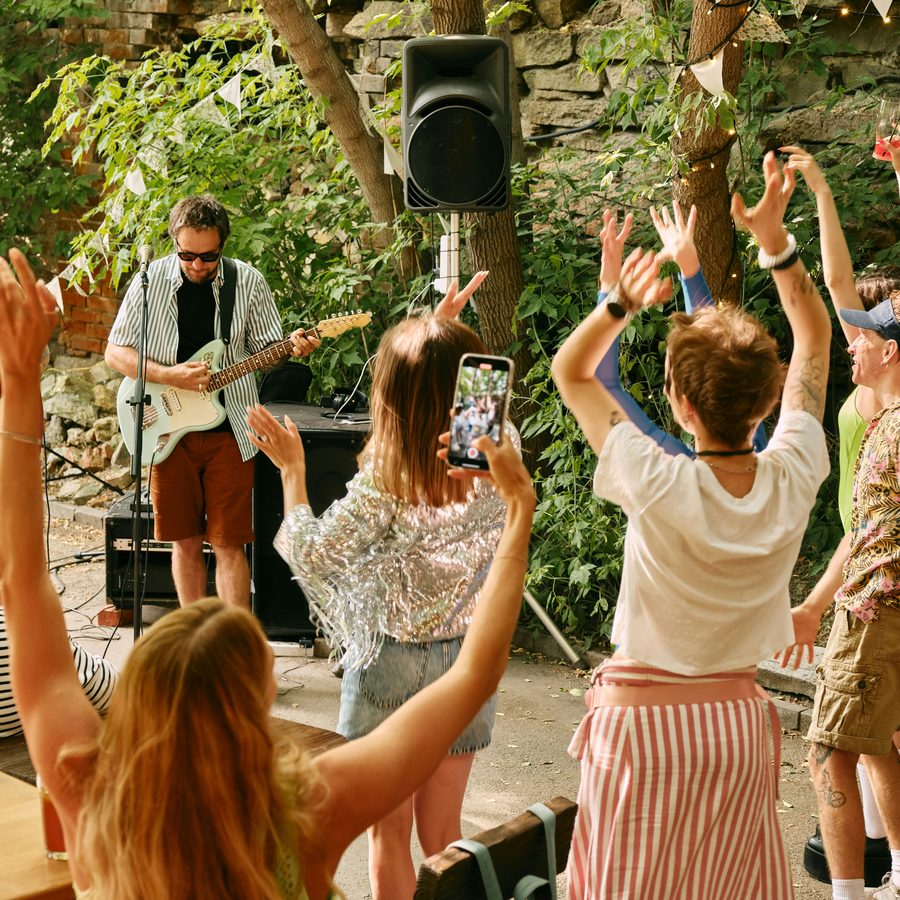
- Sagra season, late summer into autumn. Every village holds a festival for one ingredient — truffle, chestnut, porcini, snail, artichoke, wild boar — with trestle tables in the square and food cooked by the local association. This is the best eating in Italy and almost none of it is in a guidebook.
- Vendemmia, September and October. The grape harvest across the wine regions.
The sagra is the real answer. A folding table in a village square in October will beat any restaurant you booked.
Christmas and the calendar around it
8 December, Immacolata, is when decorations and markets appear. Presepi, nativity scenes, are a serious craft tradition, especially in Naples. Epifania, 6 January, brings La Befana and closes the season. Christmas itself is a family affair, so expect restaurants to be shut.
Practical notes
- Book far ahead for Siena, Venice Carnevale and anything at Easter.
- Expect closures. On a local patron saint's day the town simply stops.
- Sagre are cash-only more often than not.
- Nothing will be in English. That is the point, and it is where a little Italian pays for itself.
We build these into lessons deliberately: knowing what a town is celebrating, and being able to ask, is most of what the culture course is for.