
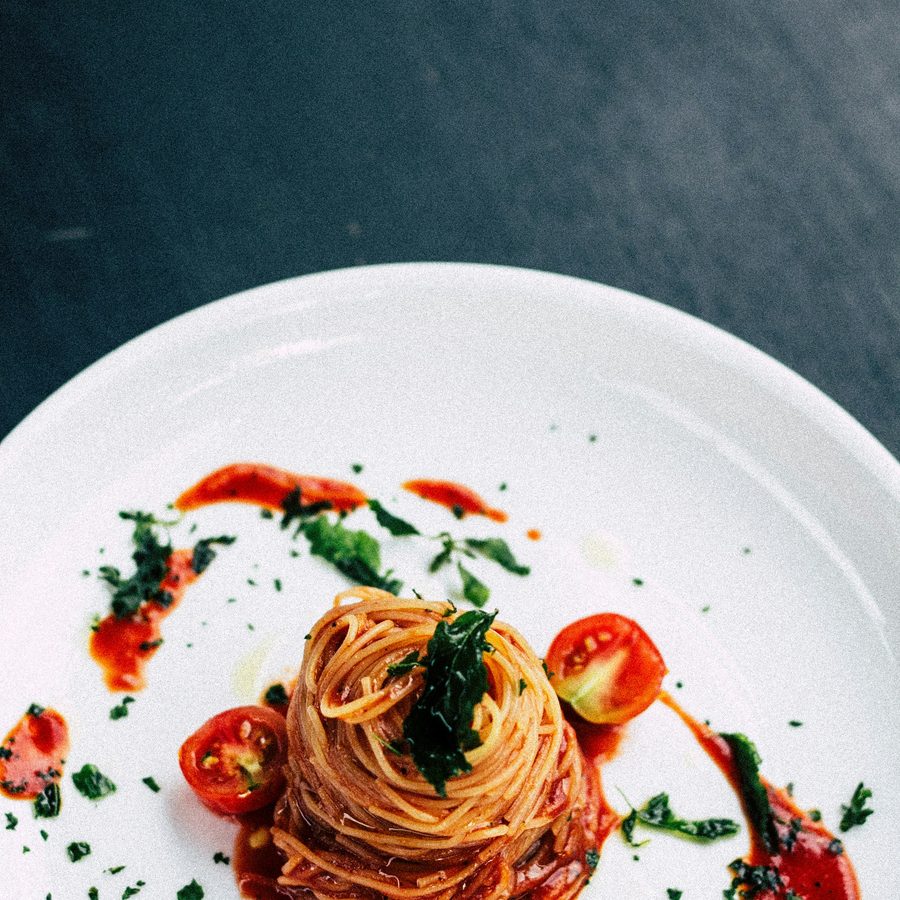
Italy's best small hotels are frequently not called hotels, are often family-run, and rarely spend money on marketing. Knowing the categories is most of the skill.
The words that tell you what you are booking
- Agriturismo. A working farm licensed to host guests, legally required to produce food. The best value in Italian travel: real cooking, land, and often the family's own wine and oil.
- Relais. Usually a converted villa or country house at the upper end. Quiet, formal, expensive.
- Dimora storica. A historic residence, often a palazzo with a handful of rooms and frescoed ceilings.
- Albergo diffuso. A genuinely Italian invention: a "scattered hotel" where the rooms are restored houses across a village, with a reception in the square. The most interesting way to stay in a small town.
- Locanda. An inn, usually with a serious restaurant attached. Often the best food on this list.
- Masseria. A fortified Puglian farmhouse, whitewashed, with olive groves. The signature stay of the south.
- Palazzo. A townhouse; as a hotel, usually a few large rooms in a city centre.
- Rifugio. A mountain hut in the Alps or Dolomites. Some are basic; some serve remarkable food at 2,000 metres.
The best meal of your trip will probably be at an agriturismo where nobody spoke English and there was no menu.
Where to look, and where not to
- Book direct where you can. Small Italian hotels give better rooms and better rates to people who email them, and many hold their best rooms off the platforms.
- Read the Italian reviews, not the English ones. They are franker, and they tell you about the food.
- Be suspicious of "boutique" as a self-description. The genuinely good ones call themselves an agriturismo or a locanda.
- Check what is nearby in February. Beautiful coastal hotels sit in towns that largely close out of season.
Regions where small hotels are strongest
- Puglia for masserie, and the best value at the top end anywhere in Italy.
- Umbria for agriturismi and quiet — Tuscany's food and landscape at two thirds of the price. See renting a villa in Umbria.
- Le Marche for hill towns and an almost complete absence of foreign visitors.
- The Dolomites for mountain hotels with a standard of service that has no English equivalent.
- Sicily for dimore storiche in Noto, Ortigia and Palermo, at prices the north could not sustain.
The booking email that gets a better room
A short message in Italian — your dates, the number of guests, a polite request for their best available room, and a question about dinner — is answered differently from a platform booking. Not because anyone is being unfair, but because a family-run hotel reads it as a guest rather than a transaction. Writing that email is a genuinely practical use of a few months of lessons.