
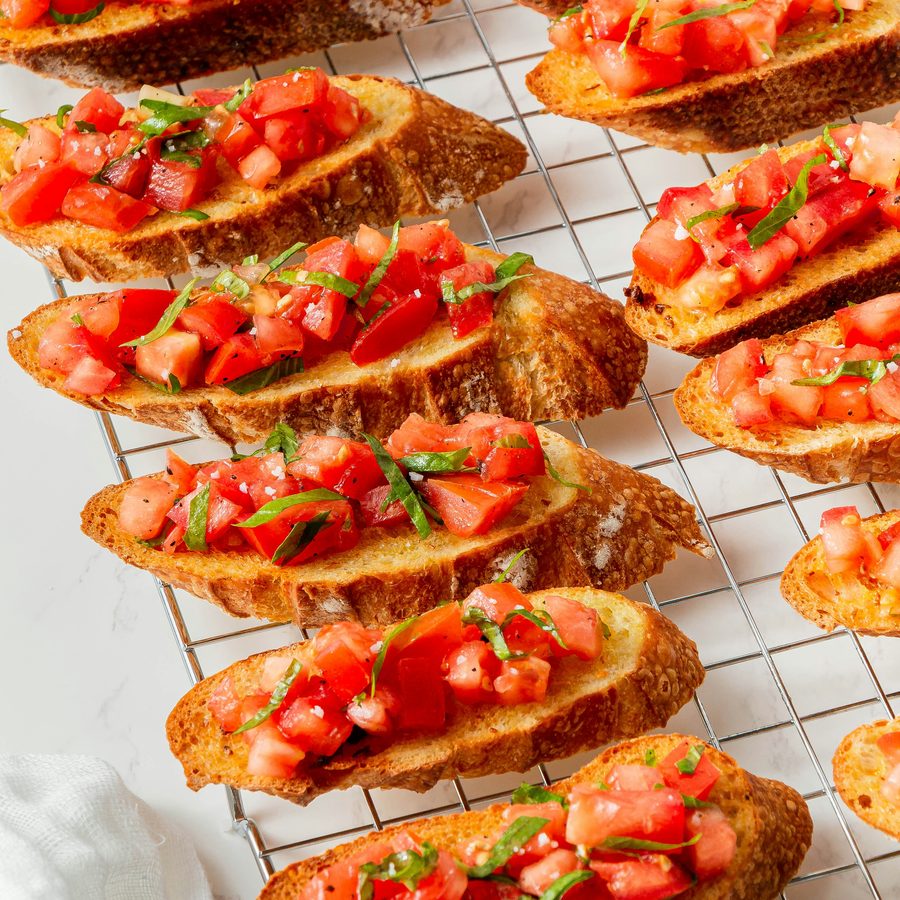
The single most useful thing to understand about Italian food is that the country was politically fragmented until 1861 and geographically divided long before. Cuisine followed the mountains, the coasts and the trade routes, not the border.
The north: butter, rice, cheese
- Piedmont. Truffles, hazelnuts, slow-braised beef, Barolo. French influence is unmistakable.
- Lombardy. Risotto, not pasta. Butter rather than oil. Cotoletta, ossobuco, panettone.
- Veneto. Rice and polenta, salt cod, cicchetti in Venetian bars, prosecco.
- Emilia-Romagna. Arguably the country's richest food region: parmigiano, prosciutto di Parma, balsamic from Modena, tagliatelle, tortellini. Egg pasta country.
The centre: meat, bread, oil
- Tuscany. Austere and superb. Beans, unsalted bread, bistecca alla fiorentina, olive oil treated as a main ingredient.
- Umbria. Pork, lentils from Castelluccio, black truffles, freshwater fish.
- Lazio. Rome's four pastas, artichokes, offal, pecorino. Cucina povera perfected.
- Le Marche and Abruzzo. Where the mountains meet the Adriatic: lamb and fish brodetto within an hour of each other.
The south: tomato, oil, sun
- Campania. Pizza napoletana, buffalo mozzarella, San Marzano tomatoes, seafood, sfogliatella.
- Puglia. Orecchiette, burrata, bitter greens, extraordinary bread and the country's biggest olive oil production.
- Calabria and Basilicata. Chilli in everything, 'nduja, cured pork, and a genuinely fierce cooking.
- Sicily. The most distinct of all: Arab and Greek layers, almonds, citrus, saffron, sardines with raisins, cannoli, granita for breakfast.
- Sardinia. Its own thing again: pecorino, suckling pig, carasau bread, and a pasta nobody outside has heard of.
Ask an Italian about "Italian food" and they will tell you about their region. There is no other answer available to them.
The two lines that explain most of it
Butter versus oil. Cold, cattle-farming north; hot, olive-growing south. Egg pasta versus durum wheat. Fresh ribbons in Emilia; dried semolina shapes in the south, where the wheat grows and the climate favours drying. Almost every regional difference follows from geography.
How to use this as a traveller
Order the local thing. Ordering carbonara in Bologna or ragù in Naples is not wrong, just a wasted meal. The question che cos'è tipico qui? opens the good part of any menu, and asking it in Italian changes the answer you get — see how to order food in Italy.